Financial difficulties arise as money is diverted to sustain the addiction. Medical treatment helps individuals regain control over their lives, assists in rebuilding broken relationships, and re-establishes a sense of purpose and stability. At this time, there is no medicine that can help reduce the use of amphetamines by blocking their effects. If you’ve answered “yes” to any of these questions, it may be time to consider seeking professional support to assess your situation further.
- Amphetamine addiction and Ambien addiction involve distinct mechanisms despite both being substances with addictive potential.
- Prolonged use may result in cardiovascular damage, including heart disease, heart rhythm abnormalities, and high blood pressure.
- Tapering is often done when someone is trying to quit using amphetamines, or when they are trying to reduce their use to a lower level.
- When used as prescribed for health conditions like ADHD, amphetamines can be effective.
Types of amphetamines
This can help a person determine when drug use is being out of control and may encourage them to work towards positive changes. Treatment Specialists at Amphetamines.com can help you find treatment options that will Amphetamine Addiction work with your insurance and lifestyle. While these are the most common signs to look for, some adverse effects may occur as well, including digestive problems, hallucinations, or aggressive, paranoid, or anxious behavior. We specialize in compassionate, evidence-based care tailored to your needs.
How Long Does It Take to Recover from Amphetamine Addiction?
Take the first step towards recovery by reaching out to medical professionals or contacting Rehabs UK for personalised support who can also advise on addiction treatment for those diagnosed with ADHD. Fill out our contact form today to begin a journey towards a healthier, addiction-free life. It is important to note that this information is not a substitute for professional medical advice. If you or someone you know is struggling with amphetamine addiction, please seek help from medical professionals or specialist services such as Rehabs UK. High doses of amphetamine can lead to increased heart rate and blood pressure, as well as potential heart problems like cardiac failure or a heart attack. Other effects may include psychosis, paranoid delusions, hallucinations, aggressive behavior, and neurological issues.
Need help now? Contact our free 24/7 addiction treatment helpline
This development may occur due to the misuse of amphetamine medications prescribed for the treatment of disorders like ADHD or abuse of illicit drugs. Unlike other drugs, signs of amphetamine abuse and addiction tend to be easily Drug rehabilitation identifiable. Amphetamines belong to the psychostimulant drug class and result in increased mental activity. The common symptoms of amphetamine abuse and addiction often include increased talkativeness, excessive speech, inability to sleep and a loss of appetite.
Physical symptoms can include blurred vision, abdominal pain, and chest pain. Stimulant overdose requires immediate emergency medical attention, as it can result in permanent organ damage or death. While caffeine increases alertness and energy, it works through different mechanisms and is much milder than amphetamines. Caffeine primarily blocks adenosine receptors to promote wakefulness, while amphetamines dramatically increase dopamine and norepinephrine levels in the brain. Unlike amphetamines, caffeine doesn’t carry significant risks for addiction or severe health consequences when used normally, though it can cause mild physical dependency. Beyond the administration method, the unpredictable purity and potency of illicit amphetamines, especially when cut with other substances, creates a lethal risk of severe health consequences.
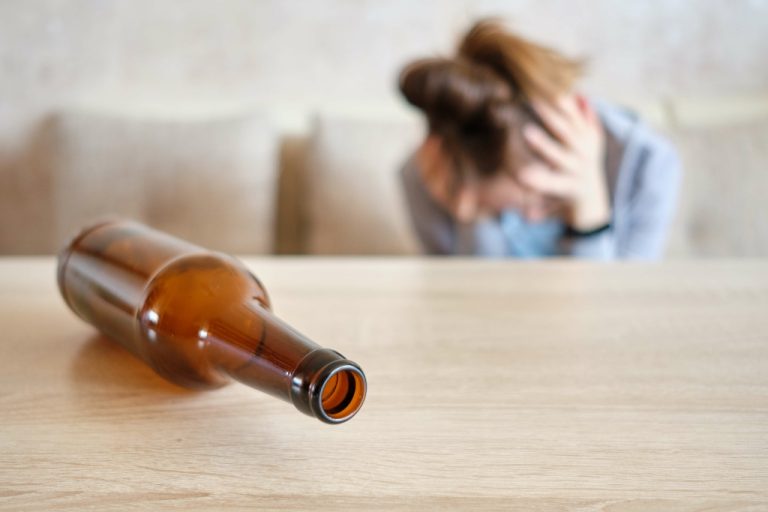
It’s common for those struggling with amphetamine addiction to also have other mental health disorders, such as depression, anxiety, or bipolar disorder. Known as a “dual diagnosis,” this combination requires specialized treatment that addresses both issues simultaneously. Polysubstance abuse involves the use of multiple substances that intensifies the effects of a single drug. The consequences of polysubstance abuse are often adverse with alcohol being commonly used in combination with other drugs. Simultaneous use of alcohol with prescription amphetamines or illicit amphetamines can increase the chances of alcohol poisoning.
Amphetamines stimulate the release of dopamine in the brain, creating intense feelings of euphoria, confidence, and heightened alertness. This alteration in brain chemistry reinforces the desire to use amphetamines repeatedly, eventually leading to dependence and difficulty experiencing pleasure without the drug. Amphetamines are highly-addictive substances, owing to their impact on the brain’s natural reward and pleasure centers.
How to Overcome an Amphetamine Addiction
Commonly prescribed amphetamines include dextroamphetamine (Adderall), methylphenidate (Ritalin) methamphetamine (Desoxyn). Every day, people recover from amphetamine abuse and rebuild their lives. Left unchecked, it can damage relationships, destroy careers, and seriously harm the body. A person may lose interest in hobbies, act aggressively, or develop dangerous health problems like high blood pressure or heart arrhythmias. The earlier these signs are identified, the sooner professional help can be sought—making full recovery more likely.